Private GPU infrastructure for AI teams running model training, fine-tuning, and inference. Single-tenant or multi-tenant. Bare-metal performance on current enterprise GPUs. Data residency in the United States and Europe.
Isolated capacity with dedicated power, networking, and storage under bare-metal control, for sustained training and fine-tuning. No shared resources and no data commingling. Fixed configuration for the contract term.
Partitions of a shared fabric for inference and burst training, for teams that need production GPUs without a full-cluster commitment. Workloads run with clear data boundaries. Billed on usage.
Long-horizon runs on dedicated multi-node clusters. Enterprise GPUs with ECC memory and 1 PB+ networked storage, so a forty-hour run finishes. Built for foundation and domain models.
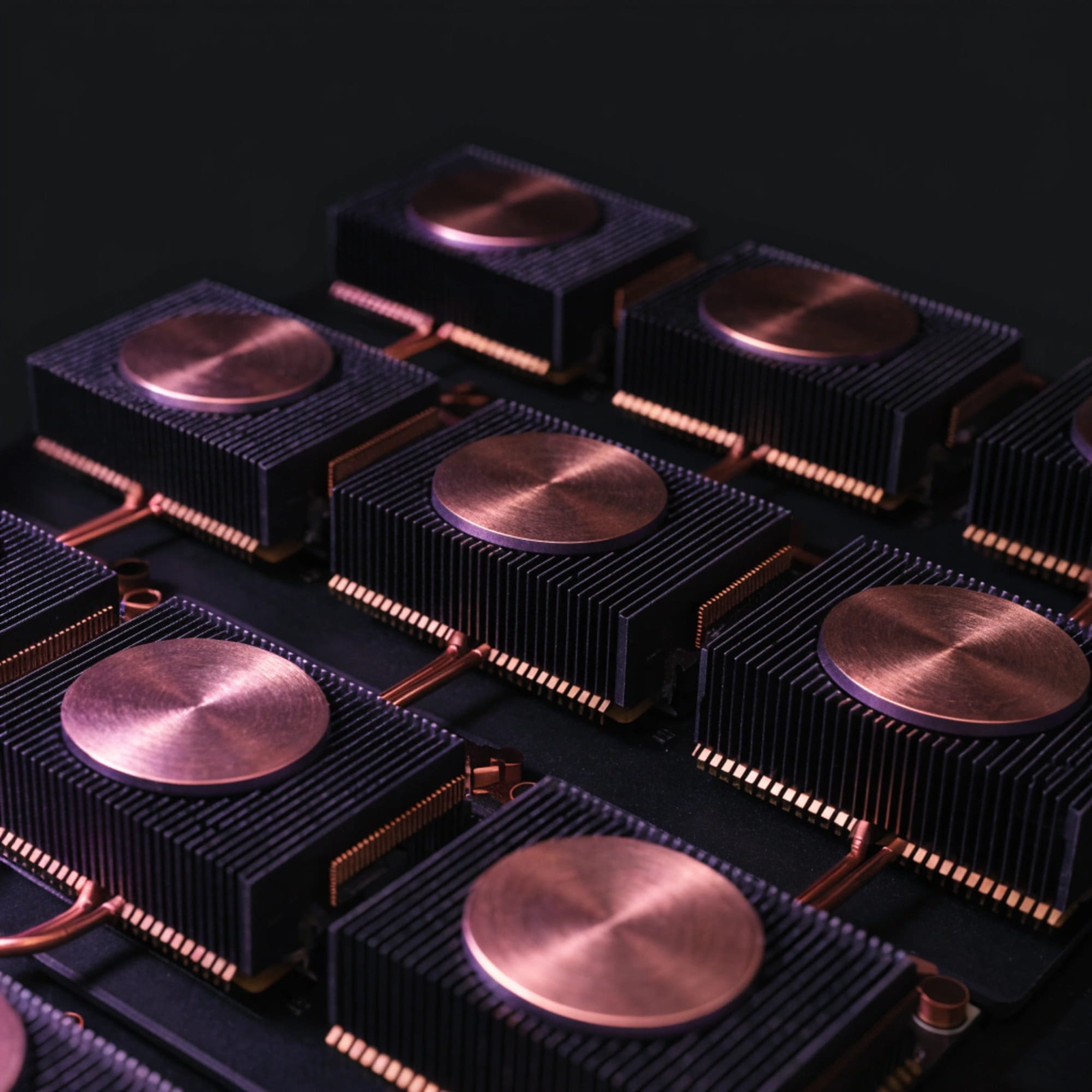
Iteration on proprietary datasets in an isolated environment. Adapters and checkpoints stay on hardware only your team touches. Built for sensitive and regulated data.
Low-latency private network endpoints. Inference stays on the same infrastructure used for training: no model egress, no shared GPU access.
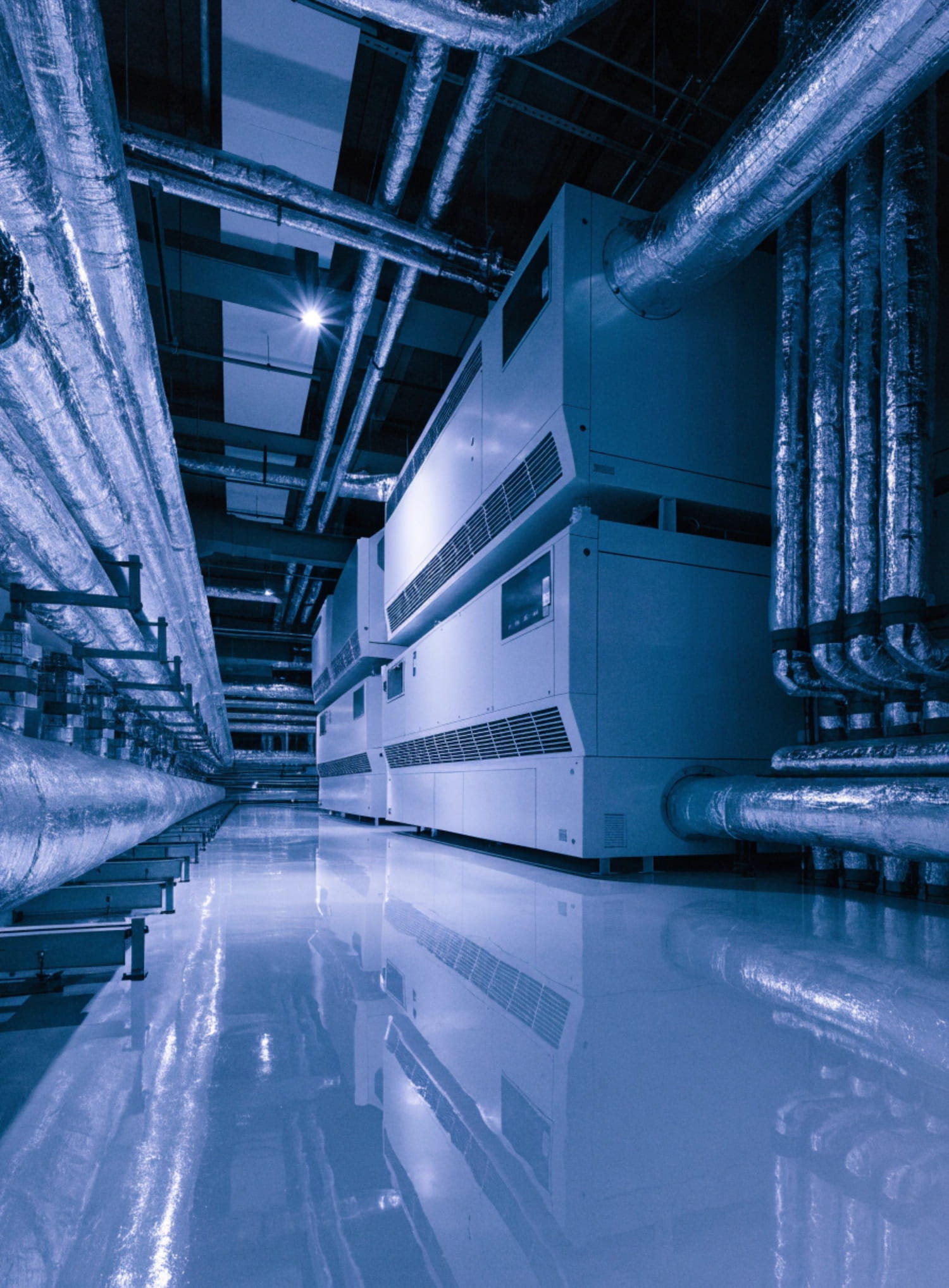
Isolation you can specify
Public cloud GPU is multi-tenant by design. Weights, datasets, and fine-tuning runs co-reside with other tenants. Deep Leaf offers single-tenant isolation when policy requires it, and multi-tenant capacity when it does not.
US and Europe data residency
Offshore capacity crosses borders many policies do not allow. Facilities are in the United States and Europe, with no cross-border transfer outside those regions, and with export-control compliance.
Enterprise hardware, available now
Consumer cards have no ECC memory, no warranty, and no tolerance for sustained load. Reserved public-cloud queues are often three to six months. Deep Leaf runs enterprise GPUs with ECC memory and a full warranty, on capacity available now.
Operations before a run fails
Continuous DCGM telemetry watches every GPU, power supply, and thermal envelope. On-site staff are in every facility. Remote hands are available at any hour, so a degrading part is replaced in a maintenance window rather than found when a run dies at hour forty.
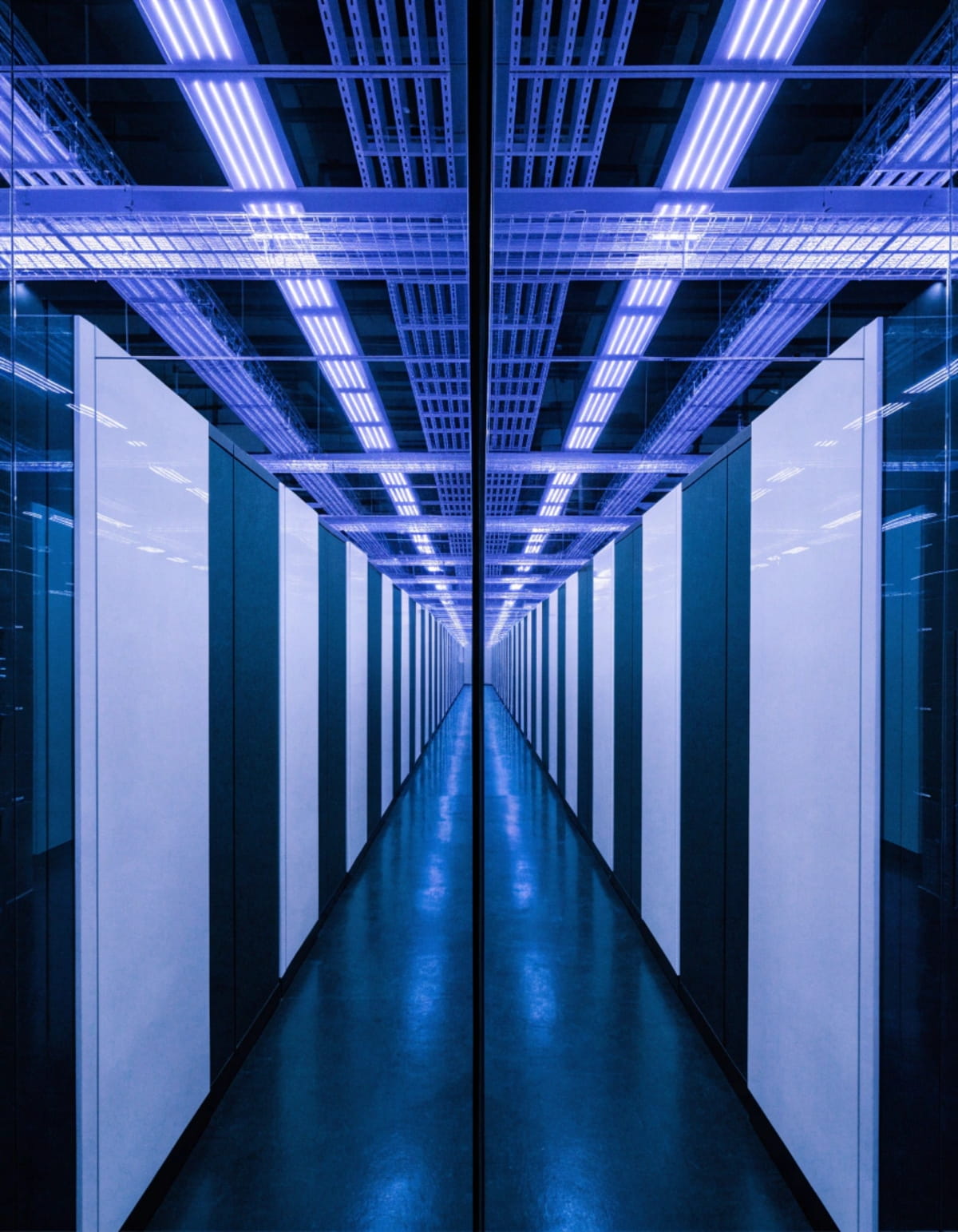
| Deep Leaf, single-tenant | Deep Leaf, multi-tenant | Public cloud | Overseas | Consumer GPU | |
|---|---|---|---|---|---|
| Data stays isolated | Yes | Boundaries only | No | Partial | No |
| US & Europe data residency | Yes | Yes | Depends | No | Depends |
| No shared infrastructure | Yes | No | No | No | No |
| ECC memory + full warranty | Yes | Yes | Yes | Varies | No |
| Available now | Yes | Yes | 3–6 mo | Varies | Yes |
GPU count, run duration, and data-handling requirements. We reply within one business day with a configuration, compliance documentation, and availability. An NDA is available before any technical discussion. Enquiry details are not shared with third parties.
Enterprise AI teams whose training data is sensitive or proprietary, particularly healthcare, financial services, and government-adjacent workloads, plus any team whose data policy rules out multi-tenant cloud.
Single-tenant capacity is reserved for your workloads alone. Multi-tenant capacity is a partition of a shared fabric, with clear data boundaries, for teams that do not need a full cluster.
In US and Europe-based data centres, with residency in those regions and no cross-border transfer outside them.
The GPU the workload needs, NVIDIA or AMD, sized for compute, memory bandwidth, and interconnect. Training clusters include ECC memory and networked storage.