
Private inference endpoints
Inference on private endpoints: low-latency GPU serving where the model weights stay on the infrastructure you trained them on and never leave the boundary you placed them in.
- Endpoints
- Private network
- Egress
- No model egress
- Infrastructure
- Same as training
Inference without model egress
Serving a model usually means handing the weights to a platform. The model sits on infrastructure you do not control, behind an API you do not operate, and the prompts your users send arrive at the same place.
Inference here runs on your own GPU capacity. The weights stay where they were trained. Endpoints sit on a private network, not behind a public multi-tenant API, and requests do not pass through GPU memory shared with another tenant.
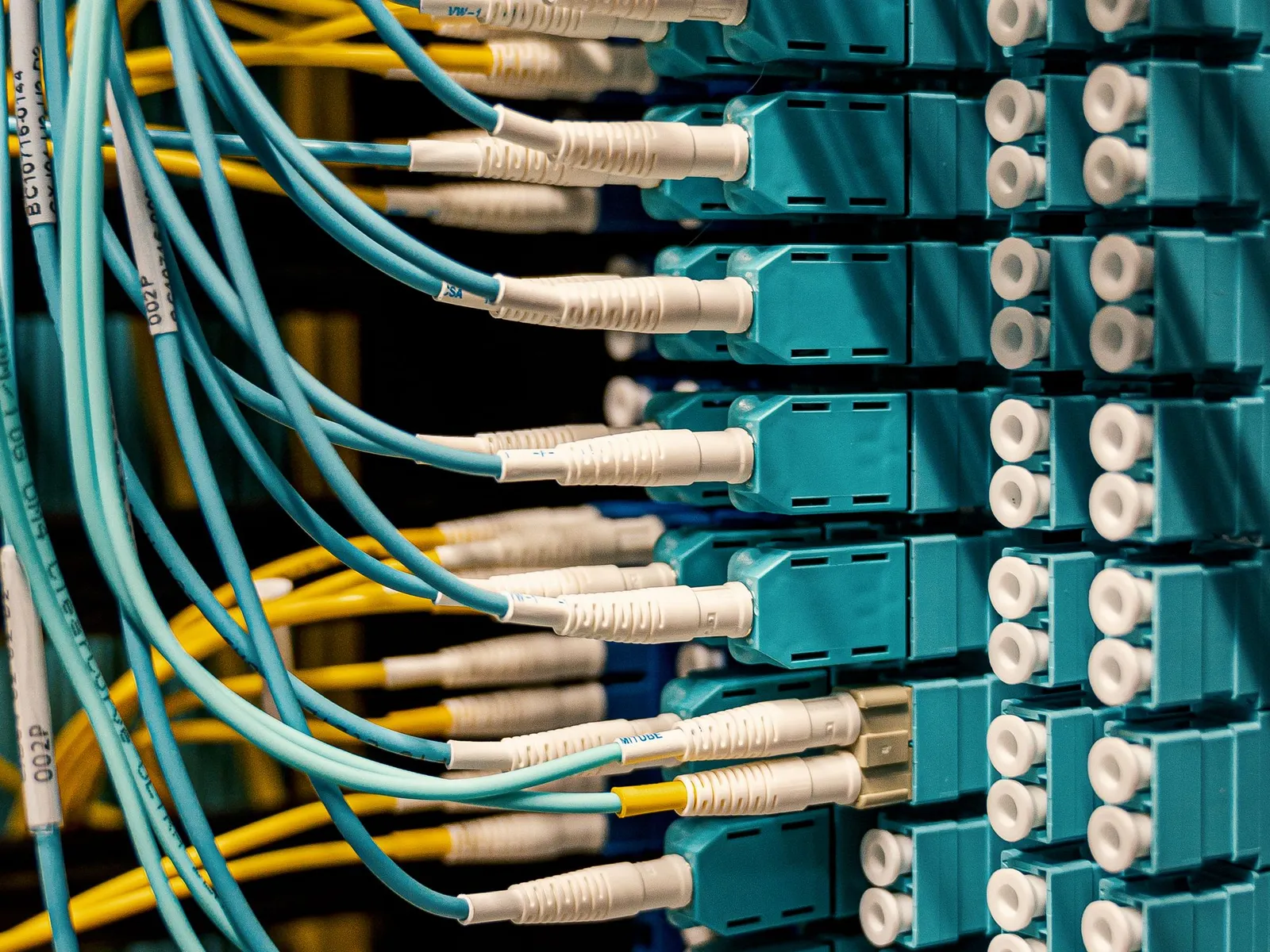
Configuration at a glance
- Endpoints
- Private network
- Hardware
- The same estate used for training
- Tenancy
- Single-tenant, or a multi-tenant partition
- Residency
- United States and Europe, residency stays in-region
- Model egress
- Weights stay on your capacity
- Operations
- Telemetry, on-site staff, remote hands
Private
Private network endpoints, not a public API
One estate
Train and serve on the same hardware
US & Europe
Residency in both regions
24/7
Telemetry, on-site staff, remote hands
Picking tenancy for inference
Inference is where the tenancy decision gets interesting, because the load profile is usually uneven. Reserved single-tenant capacity makes sense where latency has to be predictable, or where the weights cannot sit on hardware anyone else touches. A multi-tenant partition makes sense where volume moves with traffic and a logical boundary satisfies the policy.
Teams often end up running both: reserved capacity for the production path, partitions for evaluation and lower-stakes workloads.
Who moves inference here
- Teams serving models trained on data that cannot leave their control
- Products with latency requirements a shared endpoint will not hold
- Organisations whose policy rules out sending prompts to a third-party API
- Teams consolidating training and serving onto one estate
- Workloads with United States or European residency requirements
What decides whether an endpoint holds up
Capacity headroom, not average load
Endpoints fall over at the peak, not at the mean. Sizing against average throughput produces a deployment that works in testing and queues in production. Give us the peak you need to absorb and the latency you need to hold while absorbing it.
Who notices the hardware degrading
A serving path running continuously will meet failing hardware eventually. Continuous telemetry and on-site staff mean the part gets replaced in a window you agree. The alternative is the endpoint dropping and the cause being established afterwards.
Common questions
Can we serve a model that was trained elsewhere?
Yes. Access is bare metal, so you deploy whatever weights and serving stack you bring. Training with us first is not a prerequisite.
Do you operate the endpoint or do we?
You do. Deep Leaf provides the hardware, the private network and the facility operations. The serving stack above that is yours, which is what keeps the weights under your control.
What latency should we expect?
That depends on the model, the batch shape and where the traffic originates, so a number quoted without those is meaningless. Tell us the profile and we will size the configuration against your target.
Can inference and training share a cluster?
Yes, and teams commonly do. Reserved capacity can carry both, with the serving path and the training path scheduled by you.
Related capacity
Tell us the shape of the workload.
GPU count, run duration, and data-handling requirements. We reply within one business day with a configuration, compliance documentation, and availability. An NDA is available before any technical discussion. Enquiry details are not shared with third parties.