
Single-tenant GPU clusters
Physical GPU capacity reserved for one organisation for the length of the contract, with bare-metal access and a data boundary that does not depend on software to enforce it.
- Tenancy
- One organisation
- Access
- Bare metal
- Storage
- 1 PB+ networked
- Facilities
- US and Europe
A cluster with one tenant on it
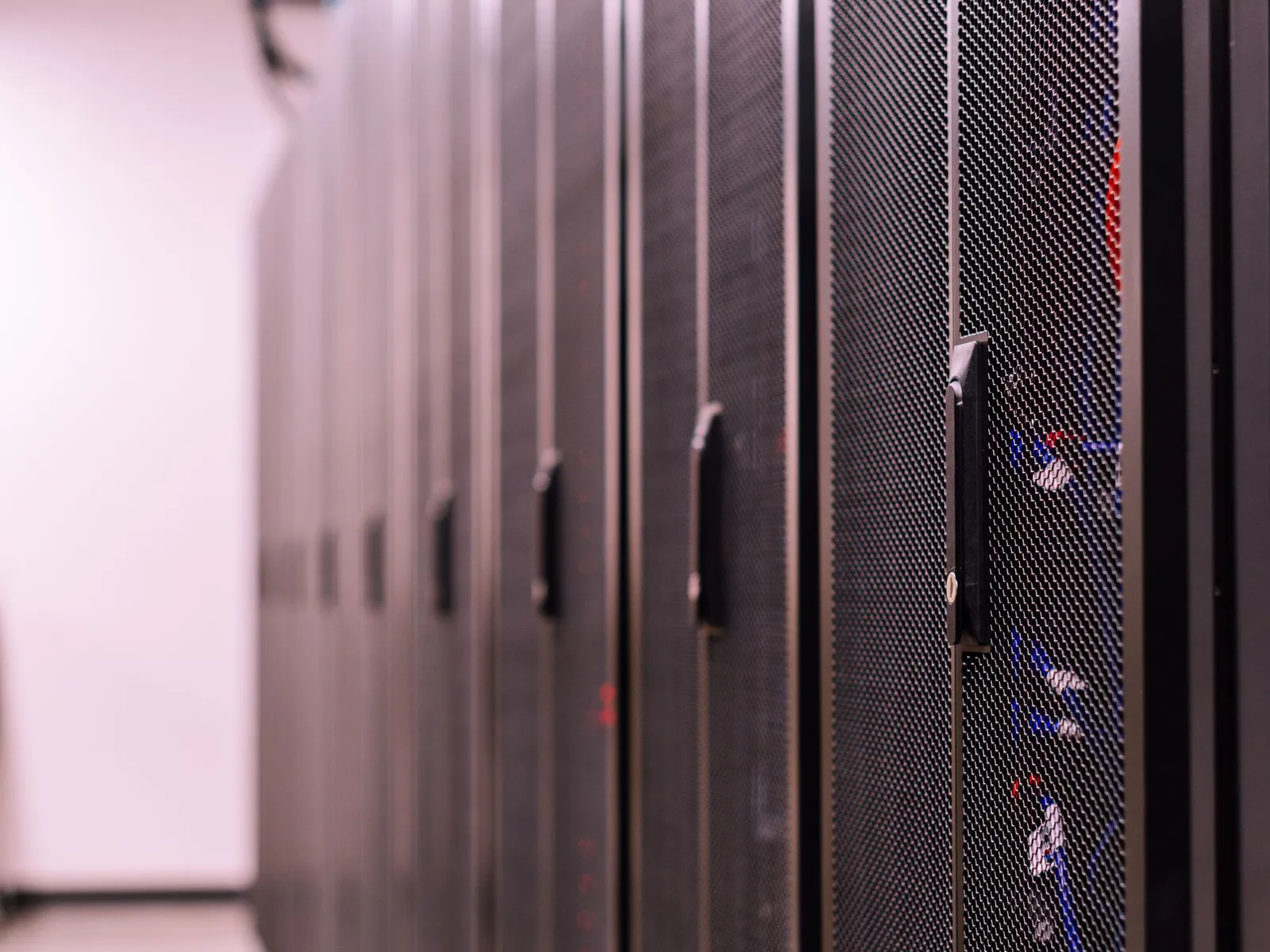
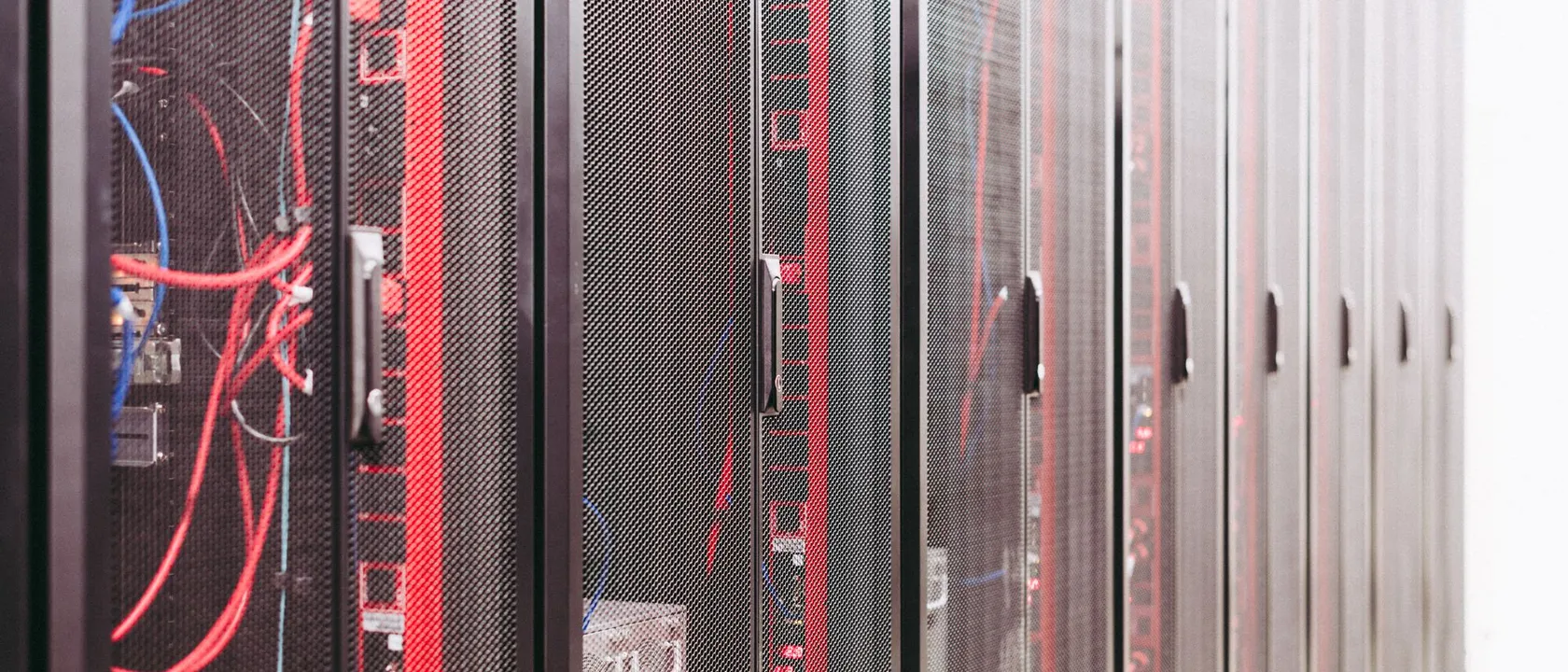
A single-tenant cluster is physical GPU capacity reserved for one organisation for the length of the contract. The nodes, the interconnect between them, the storage they write to and the power feeding the rack serve your workloads only.
Nothing is partitioned or time-shared. When a run finishes the hardware waits for your next job. It is never handed to another tenant. You are paying for reserved capacity instead of hourly use, and what comes back is a performance envelope that holds steady and a data boundary enforced by physical separation.
Access is bare metal. Your team provisions the operating system, the container runtime, the scheduler and the model stack. Deep Leaf supplies the hardware, the network, the storage fabric and the facility operations around them.
Configuration at a glance
- Tenancy
- Dedicated to one organisation
- Hardware
- NVIDIA B300 8-GPU nodes at first deployment, with H200 and H100 matched to the workload
- Access
- Bare metal, your own OS and scheduler
- Storage
- 1 PB+ networked storage, dedicated to the cluster
- Term
- Fixed configuration for the contract term
- Facilities
- US and Europe-based
Where single-tenant earns its cost
The data boundary is physical
In a multi-tenant environment, isolation is enforced by software: hypervisors, namespaces, scheduling policy. That is sound engineering, and it is still a logical boundary. On a single-tenant cluster there is no other tenant on the hardware for a boundary to separate you from.
Performance does not move underneath you
Shared fabrics mean shared bandwidth. A neighbour's data-loading job can lengthen your step time without anything showing up in your own metrics. Reserved hardware removes the neighbour.
The configuration stays put
Public cloud instance types change, get deprecated, and vary between regions. A reserved cluster holds the same topology for the term, which matters once a training recipe has been tuned against it.
Single-tenant against the alternatives
| Criterion | Deep Leaf single-tenant | Public cloud GPU | Offshore capacity |
|---|---|---|---|
| Hardware shared with other tenants | No | Yes | Varies |
| US or Europe data residency | Yes | Depends on region | No |
| Bare-metal control | Yes | Rarely | Varies |
| Configuration fixed for the term | Yes | No | Varies |
| Lead time to capacity | Available now | 3 to 6 months reserved | Varies |
Inside the facility
Who specifies single-tenant
- Teams whose data policy or customer contracts rule out shared infrastructure
- Groups training foundation or domain models over multi-week horizons
- Organisations with a United States or European data-residency requirement
- Teams that have tuned a recipe to a topology and need that topology to hold
- Anyone whose security review asks where the data physically sits
How the cluster is run
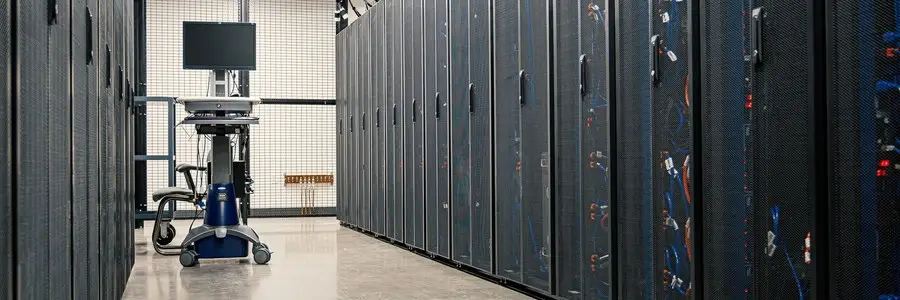
Every GPU, power supply and thermal envelope sits on continuous DCGM telemetry. Facilities carry on-site staff, and remote hands are available at any hour.
Timing is the whole point. A memory module starting to throw correctable errors gets swapped during a maintenance window you agree. Left alone, that module becomes the reason a forty-hour run dies at hour thirty-eight.
Common questions
How long is a single-tenant commitment?
Reservations run for a defined term at a fixed configuration. Tell us the window you need the capacity for and we will come back with what is available against it.
Can we run our own scheduler?
Yes. Access is bare metal, so Slurm, Kubernetes or an in-house scheduler all work. You control the software stack above the hardware.
What does the isolation actually cover?
The GPU nodes, the interconnect between them, the storage they write to and the power feeding the rack. None of it is shared with another tenant for the term.
What happens if a GPU fails mid-run?
Telemetry flags degradation before failure in most cases, and on-site staff replace the part in an agreed maintenance window. Where a part fails outright, remote hands are available at any hour.
Related capacity

Tell us the shape of the workload.
GPU count, run duration, and data-handling requirements. We reply within one business day with a configuration, compliance documentation, and availability. An NDA is available before any technical discussion. Enquiry details are not shared with third parties.